In this article 18 sections
- What Is Madina Ziyarat?
- Why Is Madina Ziyarat Important for Muslims?
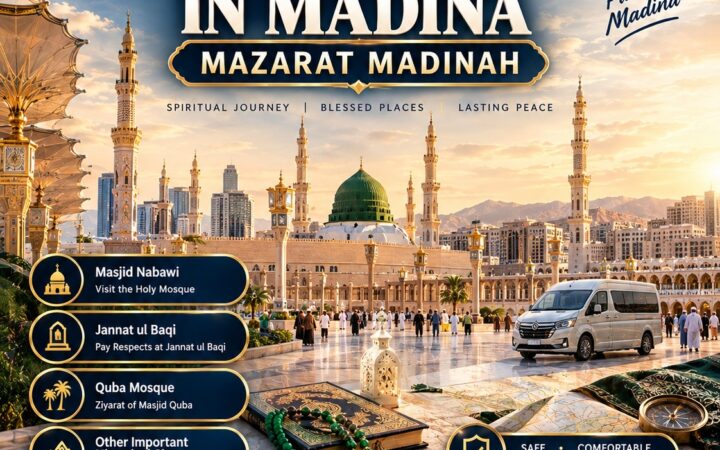
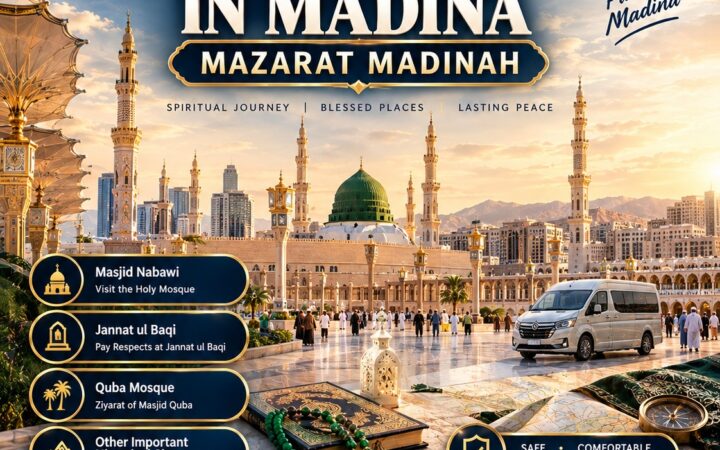
- Famous Places to Visit During Madina Ziyarat
- Madina Ziyarat by GMC: Enjoy a More Organized Visit
- What Can You Expect During a Madina Ziyarat Tour?
- Best Time to Visit Madina for Ziyarat
- How to Prepare for Your Madina Ziyarat
- Islamic Etiquette During Madina Ziyarat
- Common Mistakes to Avoid During Madina Ziyarat
- Tips for Families and Elderly Visitors
- Benefits of Choosing a Planned Ziyarat Experience
- Independent Ziyarat vs. Organized Ziyarat
- How to Make Your Madina Visit More Spiritual
- Why Choose GMC for Your Madina Ziyarat Arrangements?
- Important Things to Remember Before Visiting Madina
- The Special Feeling of Visiting Madina
- 4. FAQ Section
- 5. Contact Details
Madina Ziyarat by GMC helps travelers understand the importance of visiting the historic Islamic places associated with the Prophet Muhammad (PBUH), his companions, and the early Muslim community. A well-organized ziyarat experience allows visitors to explore important religious landmarks while learning about their history and significance.
Whether you are visiting Madina for the first time or returning to this blessed city, understanding its famous Islamic sites can make your journey more meaningful. From Masjid Quba and Masjid Qiblatain to Jannat-ul-Baqi and Mount Uhud, Madina offers many places that hold a special position in Islamic history.
In this detailed guide, we’ll explore the importance of Madina ziyarat, the most famous places to visit, travel preparation, Islamic etiquette, and useful tips to make your visit comfortable and spiritually rewarding.

What Is Madina Ziyarat?
Madina ziyarat refers to visiting important Islamic and historical places in Madina, Saudi Arabia. These places are connected with the life of Prophet Muhammad (PBUH), the Sahaba (companions), and the early development of Islam.
The word “ziyarat” means visiting. In the context of Islamic travel, it commonly refers to visiting places that remind Muslims of their faith, history, and religious heritage.
Madina is one of the most beloved cities in Islam. It was the city where Prophet Muhammad (PBUH) migrated from Makkah, established the Muslim community, and spent the final years of his life.
During your visit, you may explore several important locations, including:
-
Masjid-e-Nabawi
-
Masjid Quba
-
Masjid Qiblatain
-
Jannat-ul-Baqi
-
Mount Uhud
-
Masjid-e-Jummah
-
The Seven Mosques
-
Historical locations connected with the Battle of Uhud and the Battle of the Trench
Each location offers a different lesson from Islamic history.
Why Is Madina Ziyarat Important for Muslims?
Madina holds a unique place in the hearts of Muslims around the world. It is not simply a historical destination. It is a city connected with the Prophet Muhammad (PBUH), his family, his companions, and the growth of the Muslim community.
For many visitors, walking through Madina creates an opportunity to reflect on Islamic teachings and strengthen their relationship with Allah.
Here are some reasons why Muslims value visiting Madina.
1. A Spiritual Connection with Prophet Muhammad (PBUH)
Masjid-e-Nabawi is one of the most important mosques in Islam. It was established by Prophet Muhammad (PBUH) after his migration to Madina.
Muslims from different countries visit this mosque to offer prayers, send salutations upon the Prophet (PBUH), and spend time in worship.
The peaceful atmosphere and beautiful architecture make the experience unforgettable.
2. Learning About Islamic History
Madina was the center of many important events during the early years of Islam.
Visiting historical locations helps you understand the challenges faced by the early Muslims and the sacrifices made to establish the Muslim community.
For example, Mount Uhud reminds visitors of the Battle of Uhud, while Masjid Quba is associated with the early days of the Prophet’s migration.
3. Strengthening Faith and Understanding
A ziyarat journey can inspire you to learn more about the Seerah (biography) of Prophet Muhammad (PBUH).
When you visit places connected with Islamic history, events that you previously read about become easier to imagine and understand.
4. Spending Time in Worship
Madina offers a peaceful environment for prayer, remembrance of Allah, recitation of the Quran, and personal reflection.
Many visitors use their time in the city to focus on spiritual activities and improve their daily religious practices.
Famous Places to Visit During Madina Ziyarat
A visit to Madina is incomplete for many travelers without exploring its famous Islamic landmarks.
Below are some of the most important places commonly included in Madina ziyarat itineraries.
1. Masjid-e-Nabawi
Masjid-e-Nabawi is the most important religious landmark in Madina and one of the holiest mosques in Islam.
It was built by Prophet Muhammad (PBUH) after his arrival in Madina. Over the centuries, the mosque has been expanded several times to accommodate the growing number of worshippers.
The mosque is recognized for its beautiful architecture, large courtyards, peaceful atmosphere, and iconic Green Dome.
Important features include:
-
The Green Dome, above the chamber associated with Prophet Muhammad (PBUH).
-
The Rawdah, a special area within the mosque.
-
The mosque’s large prayer halls and courtyards.
-
The historic connection with the Prophet’s life and teachings.
Visitors should remember that access to the Rawdah is subject to the arrangements and permissions set by Saudi authorities. Check the current requirements before planning your visit.
Spending time in Masjid-e-Nabawi is a deeply meaningful experience. Visitors can offer prayers, recite the Quran, and send salutations upon Prophet Muhammad (PBUH).
2. Masjid Quba
Masjid Quba is another important Islamic landmark in Madina. It is widely recognized as the first mosque established by Prophet Muhammad (PBUH) after his migration from Makkah.
The mosque is located in the southern part of Madina and is visited by Muslims from around the world.
Its importance is connected with the early Muslim community and the history of the Hijrah.
Visitors often include Masjid Quba in their ziyarat schedule because of its historical and religious significance.
The mosque has undergone several developments and expansions, providing a comfortable environment for worshippers.
When visiting, take time to appreciate its history and offer voluntary prayers according to your religious understanding.
3. Masjid Qiblatain
Masjid Qiblatain is famous for its connection with the change of Qiblah.
In the early period of Islam, Muslims initially faced Jerusalem during prayer. Later, Allah commanded Muslims to turn towards the Kaaba in Makkah.
This important change took place during the lifetime of Prophet Muhammad (PBUH).
The name Qiblatain means “two Qiblahs,” reflecting this historic event.
The mosque reminds visitors of the importance of obedience to Allah and the development of the Muslim community.
It is a meaningful stop for anyone interested in understanding the history of Islamic worship.
4. Jannat-ul-Baqi
Jannat-ul-Baqi is a historic cemetery located near Masjid-e-Nabawi.
Many members of the Prophet’s family, companions, and other respected figures from early Islamic history are buried here.
The cemetery has a deep historical connection with the Muslim community of Madina.
Visitors commonly include Jannat-ul-Baqi in their ziyarat itinerary to remember death, reflect on the temporary nature of life, and make dua for the deceased.
When visiting, follow the rules and instructions provided by local authorities. Be respectful, avoid disturbing others, and maintain proper Islamic etiquette.
5. Mount Uhud
Mount Uhud is one of the most famous historical locations in Madina.
It is associated with the Battle of Uhud, which took place in the third year after Hijrah.
During this battle, the Muslims faced a difficult situation. The event offers important lessons about discipline, patience, obedience, and trust in Allah.
The mountain is also associated with the archers’ position, which played an important role during the battle.
Visitors often explore the area to learn about this significant event in Islamic history.
Nearby, the Martyrs of Uhud cemetery is also an important historical location. Many Muslim martyrs from the battle are buried there.
A visit to Mount Uhud can help you better understand the sacrifices made by the early Muslims.
6. Masjid-e-Jummah
Masjid-e-Jummah is a historic mosque associated with the Prophet Muhammad’s journey after arriving in Madina.
It is traditionally connected with the first Friday prayer offered by the Prophet (PBUH) after his migration to the city.
The mosque is an important stop for visitors interested in the events of Hijrah.
Its historical importance makes it a valuable addition to a Madina ziyarat itinerary.
Visitors can learn about the early Muslim community and reflect on the establishment of Islamic worship in Madina.
7. The Seven Mosques (Masajid Sab’ah)
The Seven Mosques are a group of historic mosque locations in the area associated with the Battle of the Trench, also known as Ghazwa-e-Khandaq.
This battle was an important event in Islamic history. The Muslims defended Madina against a large opposing force by using a trench as a defensive strategy.
The area is associated with the bravery, teamwork, and patience of the early Muslim community.
The historic mosque complex is commonly included in ziyarat tours.
One interesting point is that the traditional name refers to a group of historic prayer locations. The number and historical identification of individual structures have changed over time.
Visiting this area offers an opportunity to learn about one of the most significant events in the Seerah.
8. Masjid Al-Ghamamah
Masjid Al-Ghamamah is another historic mosque located near Masjid-e-Nabawi.
It is traditionally associated with occasions when Prophet Muhammad (PBUH) offered Eid prayers and prayers for rain.
The mosque is known for its historical architecture and its location near the central religious area of Madina.
Many visitors enjoy seeing this historic structure while exploring the surroundings of Masjid-e-Nabawi.
It provides another opportunity to understand the religious and social life of the early Muslim community.
Madina Ziyarat by GMC: Enjoy a More Organized Visit
Visiting several historical places in one day can become challenging if you don’t have a clear plan.
Travelers may be unfamiliar with the locations, distances, local transport arrangements, and the history behind different landmarks.
This is where proper planning becomes useful.
Madina Ziyarat by GMC focuses on helping visitors understand the important locations they may wish to explore during their stay in Madina.
A well-planned ziyarat experience can help you:
-
Identify important Islamic historical landmarks.
-
Organize your sightseeing schedule.
-
Make better use of your available time.
-
Understand the background of famous locations.
-
Avoid unnecessary confusion during travel.
-
Enjoy a more comfortable visit with suitable preparation.
If you’re traveling with family members, elderly parents, or children, planning your ziyarat schedule in advance is especially helpful.
You should discuss your travel requirements and preferred locations with the GMC team before finalizing your arrangements.
What Can You Expect During a Madina Ziyarat Tour?
A Madina ziyarat tour generally involves visiting several historic Islamic locations around the city.
The exact schedule depends on the travel arrangements, available time, local conditions, and the visitor’s preferences.
A typical visit may include the following locations:
| Ziyarat Location | Historical Significance |
|---|---|
| Masjid Quba | Associated with the first mosque established after Hijrah |
| Masjid Qiblatain | Connected with the change of Qiblah |
| Mount Uhud | Site associated with the Battle of Uhud |
| Martyrs of Uhud | Burial place of martyrs from the battle |
| Jannat-ul-Baqi | Historic cemetery of early Muslims |
| Masjid-e-Jummah | Associated with the first Friday prayer after Hijrah |
| Seven Mosques | Historic locations associated with the Battle of the Trench |
| Masjid Al-Ghamamah | Traditionally associated with prayers of the Prophet (PBUH) |
Not every itinerary includes all locations. Some visits may be shorter, while others allow more time for historical exploration.
Before starting your tour, ask about the planned stops and approximate duration.
Best Time to Visit Madina for Ziyarat
Madina can be visited throughout the year. However, your overall experience may depend on weather conditions, crowd levels, and your travel schedule.
Here are some useful considerations.
Winter Season
The winter months generally offer cooler weather compared with the hotter months.
Many visitors find outdoor sightseeing more comfortable during this period.
If you’re planning to visit Mount Uhud or other outdoor locations, cooler conditions can make the experience easier.
Summer Season
Summer in Madina can be very hot, especially during the middle of the day.
If you’re traveling during this season, prepare carefully.
Helpful suggestions include:
-
Carry drinking water.
-
Wear comfortable and breathable clothing.
-
Use suitable sun protection.
-
Avoid unnecessary outdoor activity during peak heat.
-
Follow your group’s schedule and local guidance.
During Ramadan
Madina receives many visitors during Ramadan.
The spiritual atmosphere around Masjid-e-Nabawi is especially meaningful for Muslims during this month.
However, crowd levels can increase significantly.
If you plan to perform ziyarat during Ramadan, organize your schedule carefully and allow extra time for movement between locations.
During Hajj and Umrah Seasons
Madina welcomes visitors throughout the year, including pilgrims traveling for Hajj and Umrah.
During busy travel periods, popular sites may become crowded.
It’s wise to plan your visit around your accommodation, prayer schedule, and available time.
How to Prepare for Your Madina Ziyarat
Preparation can make your visit much easier.
You don’t need complicated arrangements, but a few simple steps can help you enjoy your journey without unnecessary stress.
Step 1: Confirm Your Ziyarat Schedule
Before leaving your accommodation, understand which locations are included in your tour.
Ask about the expected departure time, planned stops, and estimated return time.
This is especially helpful if you have other religious activities planned.
Step 2: Wear Comfortable Clothing
Choose modest, comfortable clothing suitable for the weather.
Men and women should follow Islamic guidelines for dress.
Comfortable footwear is also useful because some locations may involve walking.
Step 3: Carry Essential Items
Prepare a small bag with useful belongings.
Consider carrying:
-
Drinking water.
-
A mobile phone.
-
Identification documents.
-
A small prayer book or Quran.
-
Necessary personal medicines.
-
Tissues and hand sanitizer.
-
Sunglasses or a hat for outdoor locations.
Keep your belongings secure, particularly in crowded areas.
Step 4: Learn About the Locations
Reading a little about the historical sites before your visit can improve your understanding.
For example, learning about the Battle of Uhud before visiting Mount Uhud will help you appreciate the importance of the location.
You can also ask knowledgeable guides to explain the historical background of each stop.
Step 5: Follow Local Rules
Saudi authorities may introduce specific arrangements for visitors at religious sites.
These may include access restrictions, designated entrances, crowd-management instructions, and photography rules.
Follow the latest instructions and respect the guidance of mosque staff and local authorities.
Islamic Etiquette During Madina Ziyarat
Madina is a blessed city, and visitors should maintain good manners throughout their stay.
Respectful behavior is an important part of making your journey peaceful and meaningful.
Here are some useful guidelines.
1. Maintain Respect in Religious Places
Speak politely and avoid unnecessary noise.
Remember that people around you may be praying, reading the Quran, or making dua.
2. Dress Modestly
Wear appropriate clothing when visiting mosques and other religious locations.
Respect the customs and requirements of the local community.
3. Avoid Disturbing Other Visitors
Do not push or rush through crowded areas.
Give elderly people, families, and other worshippers enough space.
4. Follow Mosque Instructions
Some areas may have specific entry arrangements.
Follow the instructions of mosque staff and security personnel.
Never attempt to enter restricted areas without permission.
5. Make Dua and Remember Allah
Use your time in Madina for prayer, remembrance, and reflection.
Send salutations upon Prophet Muhammad (PBUH) and maintain sincerity in your worship.
6. Keep the Environment Clean
Dispose of waste properly and avoid damaging public property.
Keeping religious and public places clean shows respect for the city and its visitors.
Common Mistakes to Avoid During Madina Ziyarat
Even experienced travelers can make small mistakes that affect their visit.
Knowing what to avoid can help you enjoy a smoother experience.
Not Planning Enough Time
Some visitors try to explore too many places within a short period.
This can make the journey tiring and reduce the time available to understand each location.
A better approach is to follow a realistic schedule.
Ignoring Weather Conditions
The weather can change how comfortable outdoor sightseeing feels.
Always check the forecast and dress accordingly.
Forgetting Important Belongings
Leaving your identification, phone, or other essentials behind can create unnecessary problems.
Prepare your belongings before departure.
Not Learning the Historical Background
Visiting a location without understanding its history may reduce its educational value.
Spend a little time learning about the events connected with each site.
Ignoring Local Regulations
Religious sites may have rules regarding access, movement, and photography.
Always follow official instructions.
Rushing Through Religious Activities
Your visit should not become a race to complete a list of locations.
Give yourself time for prayer, reflection, and learning.
Tips for Families and Elderly Visitors
Traveling with family can make a Madina visit even more special.
However, different family members may have different needs.
A little additional preparation can make the journey more comfortable for everyone.
For elderly visitors:
-
Choose comfortable footwear.
-
Avoid unnecessary walking.
-
Carry essential medicines.
-
Allow time for rest.
-
Keep drinking water available.
-
Discuss mobility requirements before the tour.
For families with children:
-
Keep children close in crowded places.
-
Carry water and simple snacks.
-
Explain basic mosque etiquette.
-
Keep important contact details accessible.
-
Avoid tiring children with an overly long schedule.
For group travelers:
-
Agree on a meeting point.
-
Keep your group’s contact details available.
-
Listen carefully to the tour instructions.
-
Inform the group leader if you need assistance.
-
Avoid leaving the group without informing the responsible person.
A comfortable journey is often the result of small preparations made in advance.
Benefits of Choosing a Planned Ziyarat Experience
Exploring Madina independently can be possible for some travelers, but a planned visit offers several advantages.
Better Time Management
A planned schedule helps you organize the places you want to visit.
It can also reduce confusion about the order of locations.
Easier Travel Coordination
Visitors who are unfamiliar with Madina may find it difficult to identify different historical sites.
Organized travel arrangements can make movement between locations easier.
Improved Historical Understanding
Learning about the background of important sites adds meaning to the journey.
A knowledgeable guide can explain the events and people connected with different locations.
More Comfortable Family Travel
Families often prefer a clear schedule because it makes the day easier to manage.
It also helps visitors prepare for walking, rest periods, and prayer times.
A More Meaningful Experience
The purpose of ziyarat isn’t simply to take photographs or visit as many places as possible.
It’s an opportunity to remember Islamic history, reflect on the life of Prophet Muhammad (PBUH), and strengthen your connection with your faith.
Independent Ziyarat vs. Organized Ziyarat
Both independent and organized ziyarat have their own advantages.
Your choice depends on your travel experience, available time, and personal preferences.
| Feature | Independent Ziyarat | Organized Ziyarat |
|---|---|---|
| Schedule | You plan your own schedule | Follows an arranged schedule |
| Transport | You arrange transportation | Transport arrangements depend on the service |
| Location planning | Requires personal research | Locations can be planned in advance |
| Historical information | You research independently | A guide may provide explanations |
| Family coordination | You manage everything | Group arrangements may simplify coordination |
| Flexibility | Usually more flexible | Depends on the agreed itinerary |
If you enjoy independent travel and know the city well, exploring on your own may suit you.
However, first-time visitors and families may find an organized arrangement more convenient.
How to Make Your Madina Visit More Spiritual
A successful ziyarat experience isn’t measured by the number of places you visit.
The real value comes from what you learn, remember, and take back into your daily life.
Here are a few ways to make your visit more meaningful.
Read About the Seerah
Before visiting Madina, spend time reading about the life of Prophet Muhammad (PBUH).
Understanding the Hijrah, the establishment of the Muslim community, and important historical events will help you appreciate the places you visit.
Spend Time in Masjid-e-Nabawi
Whenever your schedule allows, spend time in Masjid-e-Nabawi.
Offer prayers, recite the Quran, and send salutations upon the Prophet (PBUH).
Remember to follow the mosque’s current entry arrangements.
Reflect on the Lessons of Islamic History
Each historical location offers an opportunity to reflect.
Mount Uhud reminds visitors about patience and discipline. Masjid Quba connects them with the history of Hijrah, while the Seven Mosques recall the courage and planning shown during the Battle of the Trench.
Think about how these lessons can improve your own life.
Make Time for Personal Reflection
Travel can sometimes become busy and tiring.
Try to set aside quiet moments for dua, gratitude, and reflection.
Remember your family, friends, and the wider Muslim community in your prayers.
Continue Good Habits After Returning Home
The benefits of a spiritual journey should continue after you leave Madina.
Try to maintain regular prayers, improve your character, read the Quran, and follow the teachings of Prophet Muhammad (PBUH).
These habits can make your journey a lasting source of positive change.
Why Choose GMC for Your Madina Ziyarat Arrangements?
Choosing the right travel arrangement can make a difference to your overall experience.
Visitors should look for clear communication, suitable planning, and reliable coordination when organizing a religious sightseeing trip.
GMC can be contacted to discuss your Madina ziyarat requirements and understand the available arrangements.
Before confirming your visit, consider discussing the following points with the team:
-
Which historical locations are included?
-
What is the expected tour duration?
-
What are the departure and return arrangements?
-
Are family and elderly visitor requirements considered?
-
Is a guide or historical explanation available?
-
What should visitors prepare before departure?
-
Are there any changes to the itinerary due to local regulations?
Clear communication before the journey helps prevent misunderstandings.
Every visitor has different needs, so discussing your requirements in advance is a sensible step.
Important Things to Remember Before Visiting Madina
Here is a quick checklist to help you prepare.
-
Confirm your accommodation and travel schedule.
-
Check the latest Saudi travel and entry requirements.
-
Review any required permissions for the Rawdah.
-
Confirm the locations included in your ziyarat.
-
Wear comfortable and modest clothing.
-
Carry your identification and personal essentials.
-
Follow local rules at every religious site.
-
Keep emergency contact information available.
-
Stay hydrated, especially during hot weather.
-
Allow enough time for prayers and rest.
A little preparation can help you avoid common travel difficulties.
The Special Feeling of Visiting Madina
There is something deeply meaningful about arriving in Madina.
For many Muslims, it is a lifelong dream. Some visitors spend years hoping to see Masjid-e-Nabawi with their own eyes. Others return several times and still feel the same peace and gratitude.
The city connects generations of Muslims through a shared love for Prophet Muhammad (PBUH).
When you visit Masjid Quba, you remember the beginning of a new chapter in Islamic history. When you stand near Mount Uhud, you reflect on the sacrifices of the companions. When you visit Jannat-ul-Baqi, you remember the temporary nature of worldly life.
These experiences make the journey more than ordinary sightseeing.
Madina Ziyarat by GMC provides an opportunity for visitors to explore these important historical places with suitable planning and preparation.
Whether you’re traveling alone, with your parents, or with your entire family, take the time to appreciate the history and spiritual importance of this blessed city.
4. FAQ Section
1. What is included in Madina ziyarat?
Madina ziyarat generally includes visits to important Islamic historical places such as Masjid Quba, Masjid Qiblatain, Mount Uhud, Jannat-ul-Baqi, Masjid-e-Jummah, and the Seven Mosques. The exact locations depend on the selected itinerary and travel arrangements.
2. How long does a Madina ziyarat tour take?
The duration depends on the number of locations included, travel conditions, and the time spent at each site. Many visitors prefer a planned sightseeing schedule that allows enough time for travel, historical exploration, and prayers.
3. Can families and elderly people participate in Madina ziyarat?
Yes. Families and elderly visitors can explore Madina’s historical sites. However, they should consider walking distances, weather conditions, mobility needs, and rest periods when arranging their visit.
4. What is the best time for Madina ziyarat?
Madina can be visited throughout the year. Cooler months may be more comfortable for outdoor sightseeing, while Ramadan and busy pilgrimage periods can have higher visitor numbers. Choose a schedule that suits your travel plans and personal comfort.
5. Is Masjid Quba included in Madina ziyarat?
Masjid Quba is one of the most famous locations visited during Madina ziyarat. It is historically associated with the early period of Hijrah and is commonly included in sightseeing itineraries.
6. How can I contact GMC for Madina ziyarat?
You can contact the GMC team directly to discuss your Madina ziyarat requirements, available arrangements, travel schedule, and other relevant details.
5. Contact Details
For information and assistance regarding Madina ziyarat arrangements, contact the GMC team.
M. Waqas Siddique
Contact Number: +92 303 5655552
M. Sohail Siddique
Contact Number: +92 334 2777123
Make your visit to the blessed city of Madina a memorable experience. Plan ahead, explore its remarkable Islamic history, and take time to enjoy the spiritual peace of this sacred destination.
Contact GMC today to discuss your Madina ziyarat arrangements and plan your visit.
Related Reading: Madina Ziyarat by Bus – Explore Holy Sites with Ease — full guide
Related Reading: Makkah Ziyarat by GMC | Explore Sacred Islamic Sites